
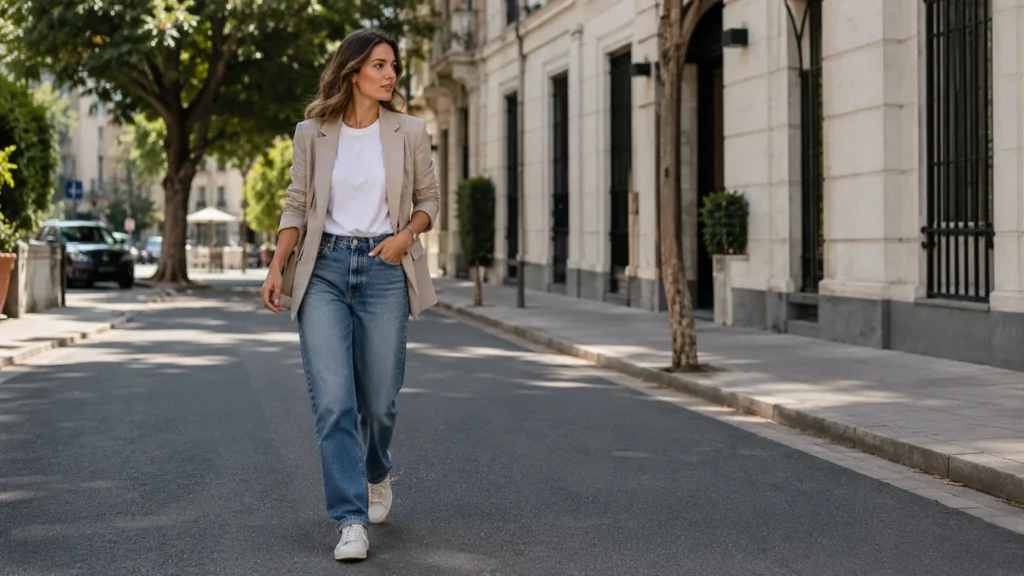
A blazer has a reputation problem: most people’s mental image of it is stiff office wear or a job-interview uniform, which is exactly why so many blazers end up hanging unworn in the back of a closet. The truth is a blazer is one of the most versatile pieces you can own — it just needs the right styling to shift from formal to genuinely casual. This guide breaks down exactly what makes a blazer read as casual, gives you specific outfit combinations to try, and covers the fit and pairing details that make the difference between “put-together” and “overdressed.”
Quick Answer: How Do You Make a Blazer Look Casual?
The fastest way to make a blazer look casual is to change what you pair it with and how it fits. Swap dress trousers for jeans, swap a button-down for a plain t-shirt, and swap dress shoes for sneakers or loafers — and choose a slightly relaxed or oversized fit in a soft, unstructured fabric rather than a stiff, tightly tailored suiting fabric. Formality in a blazer outfit comes from the combination of fit, fabric, and pairing, not from the blazer itself, which is why the exact same jacket can look like office wear or off-duty style depending entirely on what’s styled around it.
What Makes a Blazer Read as Casual vs. Formal?
A blazer’s formality isn’t fixed — it’s determined by three factors working together: fit, fabric, and what it’s paired with. A single-breasted navy blazer in structured wool, worn with dress trousers and oxford shoes, reads as business formal. The exact same blazer, worn slightly oversized with straight-leg jeans, a plain white t-shirt, and clean white sneakers, reads as smart casual. The garment hasn’t changed; the context around it has.
This is genuinely useful to understand because it means you don’t necessarily need a separate “casual blazer” to get a casual look — in many cases, the blazer you already own can be restyled, as long as you’re deliberate about the other two levers: what’s underneath it and what’s on your feet.
The Foundations: Fit, Fabric, and Silhouette
Fit
Fit is the single biggest lever for shifting a blazer’s formality. A closely tailored, fitted blazer — the kind built for a suit — tends to read as formal by default, regardless of what you pair it with. A slightly relaxed or oversized fit, particularly through the shoulders and body, immediately reads as more casual and off-duty, even paired with the exact same jeans and t-shirt combination.
Fabric
Structured wool suiting fabric, especially with visible lining and shoulder padding, signals formality. Softer, unstructured fabrics — cotton, linen, unlined wool blends, or textured knits — drape more naturally on the body and read as considerably more casual, even in a similar color and cut. If you’re specifically shopping for a blazer to wear casually, prioritizing an unstructured or lightly structured fabric will make the rest of your styling work much easier.
Silhouette
Beyond overall fit, specific silhouette details matter too: a cropped or shorter length reads more casual than a longer, traditional blazer length; a single-button or open-front styling reads more relaxed than a fully buttoned, structured closure; and details like patch pockets (instead of the more formal flap or besom pockets) push a blazer further toward casual territory.
8 Casual Blazer Outfit Ideas
1. Blazer, plain t-shirt, and straight-leg jeans. This is the most reliable casual blazer formula there is: a relaxed or oversized blazer over a simple crewneck or V-neck t-shirt, paired with straight-leg or slightly wide-leg jeans. Keep the t-shirt fitted rather than baggy so the proportions stay balanced against the blazer’s volume.
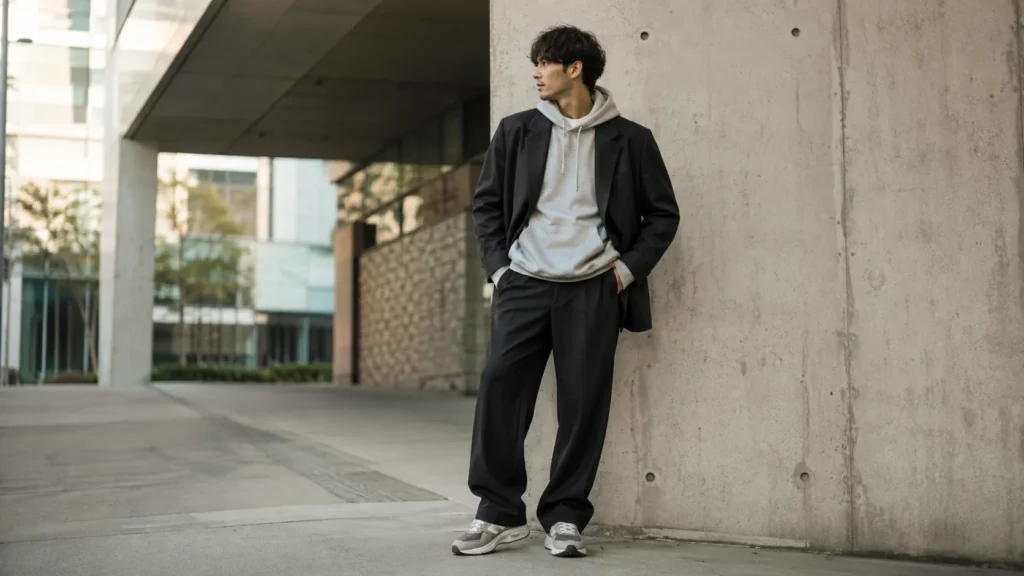
2. Blazer over a hoodie. An unexpected but genuinely effective combination — a structured blazer layered over a plain, fitted hoodie (hood tucked in or left out, depending on preference) creates a deliberate high-low contrast that reads as intentional rather than mismatched, especially in neutral or monochrome color palettes.
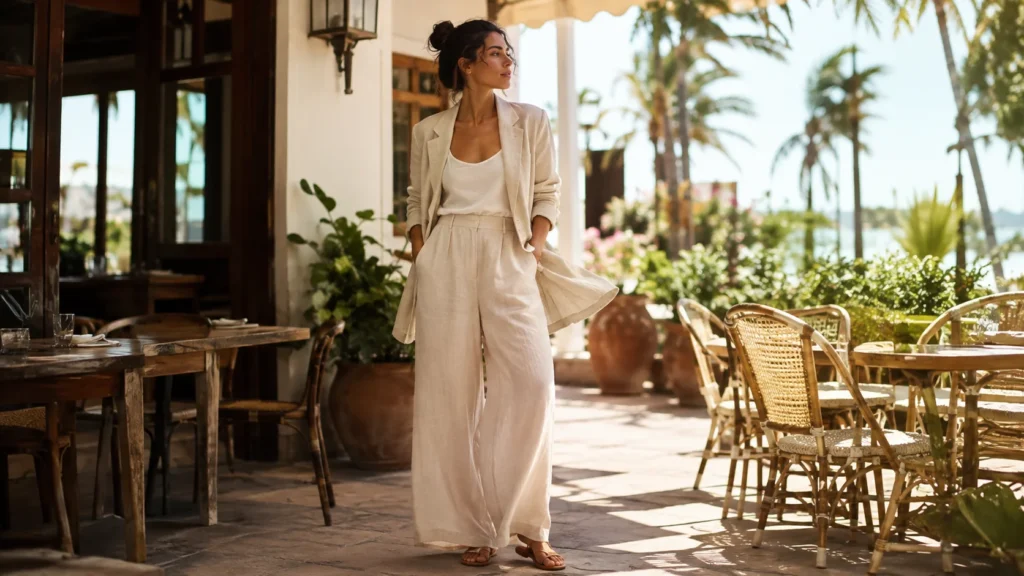
3. Blazer, tank top, and wide-leg trousers. For warmer weather, a lightweight linen or cotton blazer over a simple tank top with wide-leg trousers and sandals or slides creates an elevated but distinctly non-office look.
4. Blazer with denim shorts. A more overlooked pairing, but a cropped or shorter-length blazer with denim shorts, a simple top, and sneakers works well for transitional weather and reads as playful rather than formal.
5. Blazer as a dress topper. Worn open over a simple slip dress or casual sundress, a blazer adds structure and can make a dress feel appropriate for more settings without changing the dress itself — useful for anyone building a versatile, minimal wardrobe.
6. Monochrome blazer and joggers. Pairing a blazer with joggers or relaxed-fit knit trousers in a matching or complementary tone creates a modern, considered look that leans into comfort without sacrificing polish — a combination that’s become increasingly common in smart-casual and “athleisure-meets-tailoring” styling.
7. Blazer with a graphic tee. Swapping a plain t-shirt for one with a subtle graphic or logo pushes the outfit further toward casual and adds personality, particularly effective with a neutral-colored blazer that won’t visually compete with the graphic.
8. Blazer over athletic wear. A structured blazer layered over leggings and a simple top is an increasingly common way to dress up an athleisure-based outfit for running errands or casual daytime plans without fully changing into a “dressed” outfit.
What to Wear Under a Casual Blazer
The layer underneath a blazer does a lot of work in setting the tone. Plain t-shirts, tank tops, simple knit tops, and even hoodies all work well and reinforce a casual read. Avoid a formal button-down dress shirt if you’re specifically aiming for casual, since that combination reads as business casual almost automatically, regardless of what’s on the bottom half. Keeping the under-layer relatively simple and fitted (rather than busy or oversized itself) also helps prevent the overall outfit from feeling visually cluttered under a blazer’s added structure.
Shoes That Work (and Don’t) With a Casual Blazer
Footwear is one of the fastest ways to either reinforce or undercut a casual blazer look. Clean, minimal sneakers — white leather sneakers in particular — are one of the most reliable casual pairings, since they read as intentional rather than sloppy. Loafers, in either leather or a more casual suede, also work well and add a touch of polish without tipping into formal territory. Sandals or slides can work in warmer-weather, more relaxed contexts, particularly with shorter or lighter-weight blazers.
What generally doesn’t work as well: formal oxfords or derby dress shoes, which pull the entire outfit back toward business formal even if everything else is casual, and heavily worn or scuffed athletic sneakers, which can undercut the “intentional” quality that makes a casual blazer outfit feel styled rather than accidental.
Seasonal Styling: Casual Blazers Through the Year
In warmer months, lightweight fabrics like linen, linen-cotton blends, or unlined cotton blazers keep a casual look breathable, paired well with tank tops, shorts, or lightweight trousers. In cooler months, a slightly heavier wool-blend or textured knit blazer can be layered over a sweater or hoodie, doubling as both structure and warmth. Transitional-season styling often works best with a mid-weight, unstructured blazer that can be layered over a t-shirt on warmer days or a light sweater on cooler ones, without needing a separate blazer for each season.
Common Mistakes to Avoid
Pairing a formal, structured blazer with only casual bottoms and expecting a casual result. If the blazer itself is stiff, tightly tailored suiting fabric, casual pairings alone often aren’t enough to fully shift the formality — the blazer’s own construction matters just as much as what surrounds it.
Sizing too small. A blazer that’s genuinely too tight reads as an ill-fitting formal piece rather than an intentionally relaxed casual one; if you’re aiming for a relaxed silhouette, size up deliberately rather than settling for a fit that’s simply too small.
Over-formalizing every other element. Pairing a casual blazer with dress shoes, a button-down, and dress trousers cancels out the casual intent — remember that formality is a combination of choices, not a single garment decision.
Ignoring proportion. An oversized blazer paired with equally baggy bottoms and a loose top can start to look shapeless rather than intentionally relaxed; balancing at least one fitted element (a slim t-shirt, fitted jeans) against the blazer’s volume generally keeps the silhouette more flattering.
Expert Tips for Making Any Blazer Feel Casual
- If you only own one blazer and it’s fairly structured, start by changing just one variable at a time — swap dress shoes for sneakers first — to see how much that single change shifts the overall formality before committing to a full restyle.
- Roll or push up the sleeves slightly for an easy, off-duty signal that works with almost any casual blazer outfit.
- Leave the blazer unbuttoned or wear it open rather than fully fastened, which immediately reads as more relaxed than a buttoned, structured silhouette.
- If shopping specifically for a casual-leaning blazer, look for terms like “unstructured,” “unlined,” or “relaxed fit” in the product description, since these details are the most reliable predictors of how casual the piece will feel once styled.
Frequently Asked Questions
Can you wear a blazer with jeans? Yes — pairing a blazer with jeans is one of the most common and reliable ways to create a casual blazer outfit, especially with a relaxed or oversized blazer fit and straight-leg or wide-leg jeans.
Can you wear sneakers with a blazer? Yes. Clean, minimal sneakers, particularly white leather styles, are one of the most reliable footwear choices for a casual blazer look and generally work better for this purpose than formal dress shoes.
Is an oversized blazer more casual than a fitted one? Generally, yes. An oversized or relaxed fit tends to read as more casual by default, while a closely tailored fit leans more formal, even when paired with similar casual items.
What can I wear under a blazer besides a dress shirt? Plain t-shirts, tank tops, simple knit tops, and even hoodies all work well under a blazer for a casual look; a formal button-down shirt tends to push the outfit back toward business casual.
Can a blazer be worn in summer? Yes, especially in lightweight, breathable fabrics like linen or unlined cotton, paired with tank tops, shorts, or lightweight trousers and open footwear like sandals or loafers.
Do casual blazers exist, or is it just about styling a formal blazer differently? Both. Some blazers are specifically designed with casual styling in mind — unstructured, unlined, relaxed-fit — while a more traditionally formal blazer can also be restyled casually through fit adjustments and different pairings.
What color blazer is easiest to dress casually? Neutral colors — navy, black, beige, and grey — tend to be the most versatile for casual styling, since they pair easily with a wide range of t-shirts, denim, and sneaker colors without requiring careful color coordination.
Is it okay to wear a blazer with shorts? Yes, particularly a cropped or shorter-length blazer with denim or tailored shorts, which works well in warm weather and reads as playful rather than formal.
How do I keep a casual blazer outfit from looking sloppy? Balance proportions by pairing the blazer’s relaxed volume with at least one more fitted piece (like slim jeans or a fitted t-shirt), and choose clean, well-maintained footwear rather than worn-out sneakers.
Can men and women style casual blazers the same way? The core principles — relaxed fit, soft fabric, casual pairings like jeans and sneakers — apply broadly across genders, though specific silhouette choices (cropped vs. longer length, fitted vs. oversized) often reflect broader style preferences rather than fixed rules.
Final Takeaway
A casual blazer outfit comes down to three adjustable factors: fit, fabric, and what you pair it with — and you have more control over all three than you might expect, even with a blazer you already own. Start with one simple formula (a relaxed blazer, plain t-shirt, jeans, and clean sneakers) to get a feel for how casual pairing works, then experiment from there with layering, color, and seasonal fabric choices once you’re comfortable with the basic approach.
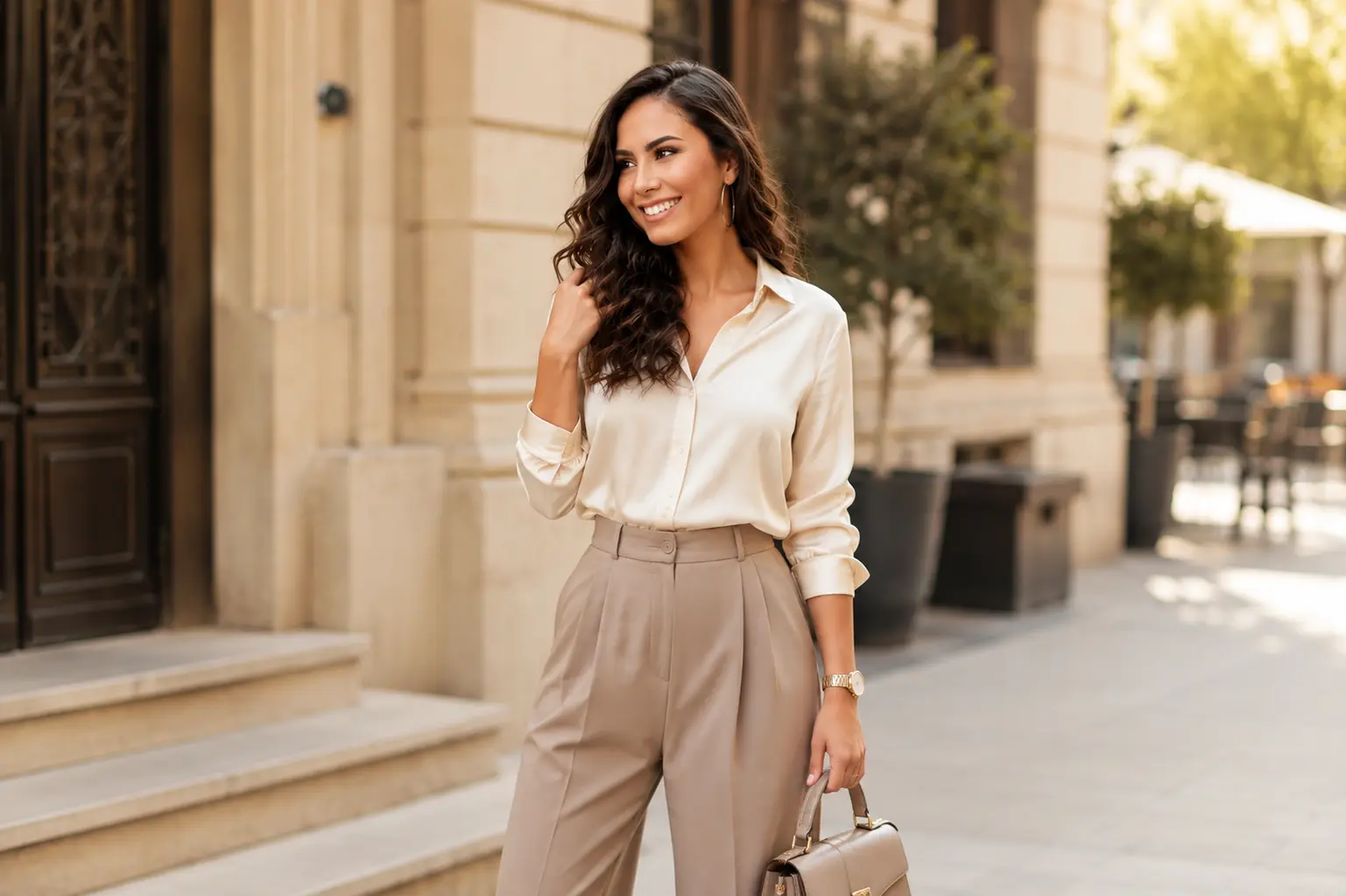
At Decor Artly, we bring art, home decor, and personal style together to create beautiful spaces and inspiring lifestyles. Led by Design Director Roni, we offer curated artwork, elegant home accents, and personalized styling to help you express your unique taste.